There are a few considerations often in play when it comes to asbestos testing in a given building, and the building material used is often a key example. How might the asbestos testing methods used for a given building be impacted by the building materials involved, and what should you know about this ahead of time?
At Aerolite Consulting, we’re proud to offer the best asbestos testing services available in Salt Lake City, utilizing multiple asbestos testing methods depending on the qualities of the space we’re testing. Here are some basics on building material-specific asbestos risks that may be present, plus the multiple asbestos testing methods out there and how to ensure the right one is chosen and utilized properly for your space.
Material-Specific Asbestos Risks
Here are a few common building materials found in commercial buildings, plus the kinds of asbestos risks they may carry:
- Insulation: Insulation is regularly used in commercial buildings, and may contain asbestos if it was installed before the 1980s. Asbestos insulation can often be found around pipes, ductwork, boilers, and other heating units.
- Flooring: Vinyl floor tiles were commonly used in commercial buildings throughout the mid-20th century and may also contain asbestos. Floor adhesives and backing materials for carpeting may also contain asbestos.
- Ceiling Tiles: Suspended ceilings are often made with ceiling tiles that may contain asbestos. These tiles can easily release fibers into the air if they become damaged or disturbed.
- Roofing Materials: Roofing materials such as shingles and flashing may also contain asbestos. If these materials are damaged or deteriorating, they can release fibers into the air.
Different Asbestos Testing Methods
There are a few different asbestos testing methods that may be applied depending on the testing location and material:
Bulk Sampling
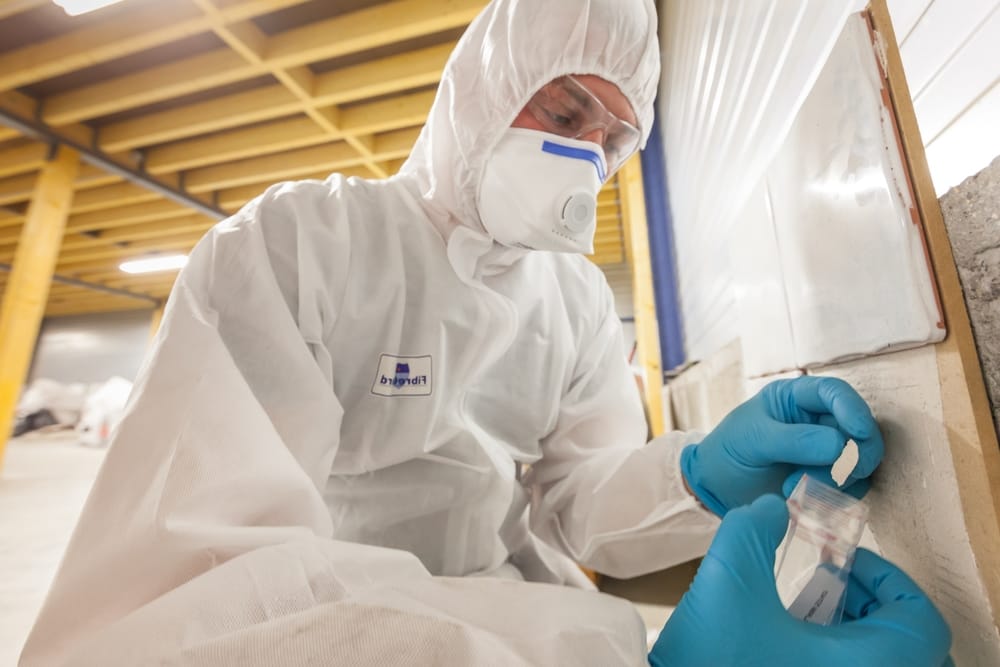
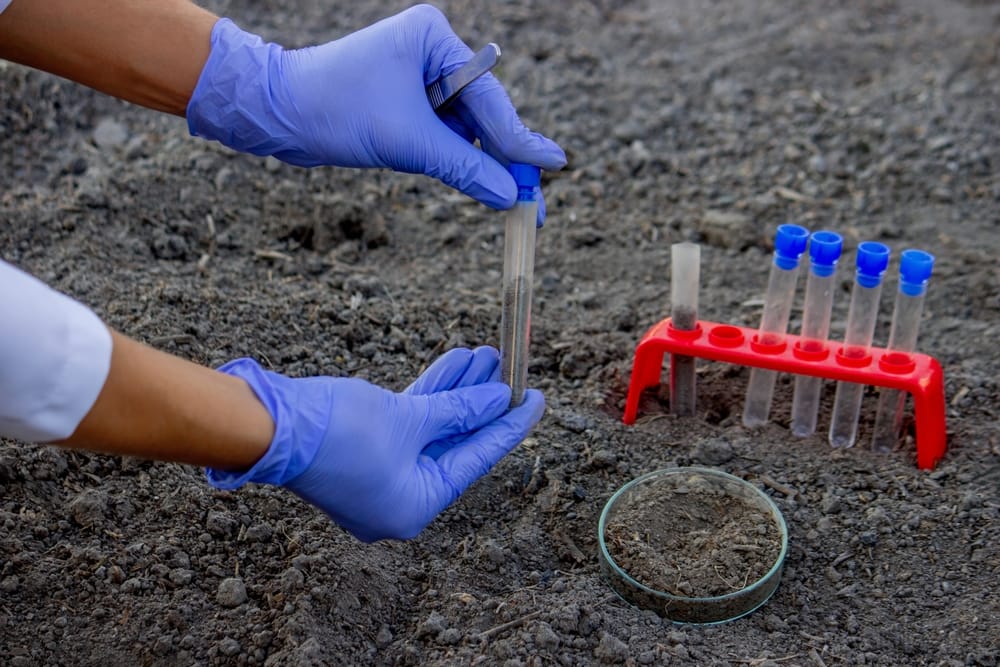
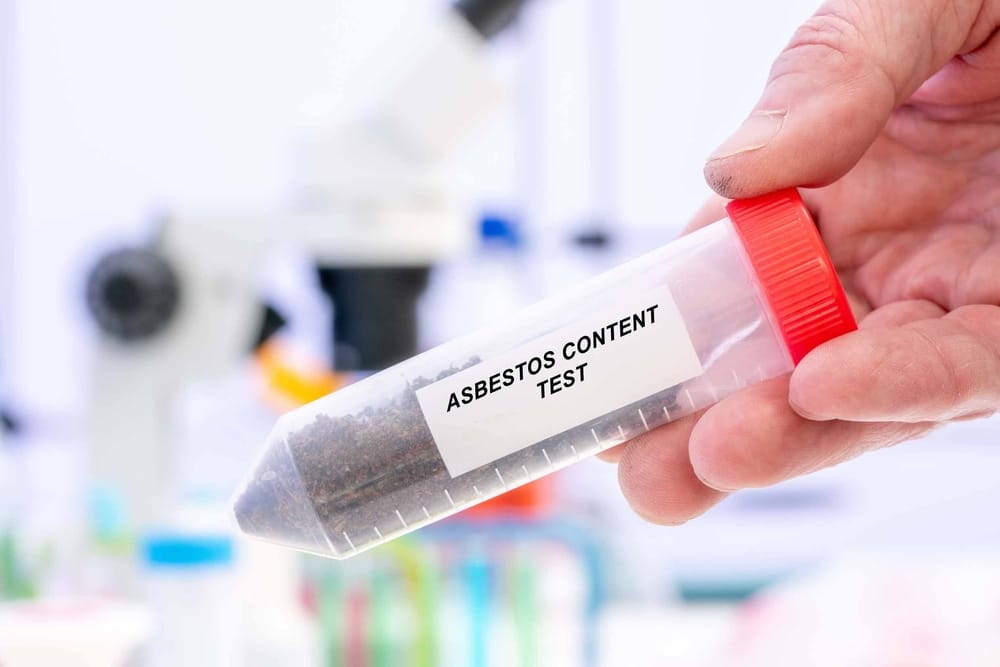
One of the most common methods of asbestos testing is bulk sampling. This involves collecting a small sample of the material suspected to contain asbestos and sending it to a laboratory for analysis. The sample is then examined under a microscope to determine the presence and amount of asbestos fibers.
Air Sampling
Air sampling is another method used to test for asbestos. This involves using specialized equipment to collect air samples in an area that may contain asbestos fibers. The samples are then analyzed in a laboratory, and the results can determine if there are elevated levels of airborne asbestos fibers.
Surface Wipe Tests
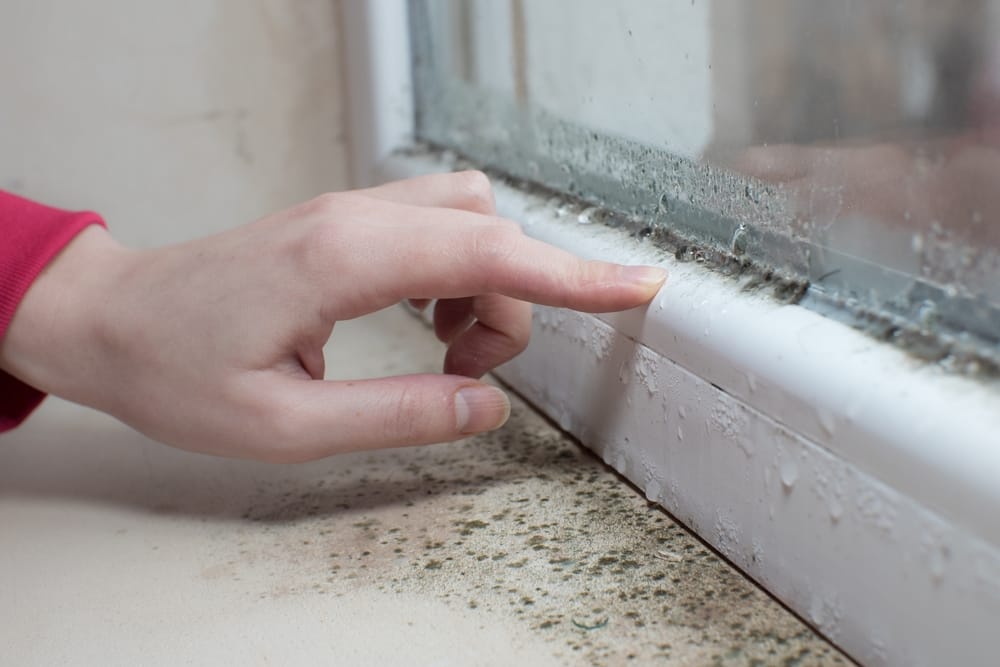
Another way to test for asbestos is through surface wipe tests. This method involves taking a sample of dust or debris from surfaces in an area suspected of containing asbestos. The sample is then analyzed in a laboratory to determine the presence and amount of asbestos fibers on the surface.
Role of Regulatory Guidelines
When it comes to choosing the right asbestos testing method for a given building material, it is essential to follow regulatory guidelines. In the United States, the Environmental Protection Agency (EPA) sets standards for managing and removing asbestos in buildings.
The Occupational Safety and Health Administration (OSHA) also has regulations regarding occupational exposure to asbestos. These guidelines outline specific methods and procedures for testing and handling materials that may contain asbestos.
Certain local and state agencies may also have their own regulations in place. It is important to research and comply with all applicable regulations when conducting asbestos testing.
How Asbestos Testing Professionals Will Help You Determine The Ideal Method
If you’re unsure about which asbestos testing method might be optimal for a given space based on its materials and other factors, professional asbestos testers can help. They have the expertise and experience to assess your specific situation and recommend the most effective testing method. Additionally, they will also be able to provide you with accurate and detailed results, as well as guidance on how to properly handle any materials that test positive for asbestos.
For instance, if you’re planning to renovate an older home or building, it’s important to have it tested for asbestos beforehand. This not only ensures the safety of those working on the renovation project but also prevents any potential legal and health issues in the future. Professional asbestos testing can also be beneficial for real estate transactions, as buyers may request a test before purchasing a property to ensure they are aware of any potential risks.
At Aerolite Consulting, we’re proud to assist clients around Salt Lake City with any kind of asbestos testing or other environmental contaminant testing needs. Contact us today to learn more about these or any of our other home inspection services!