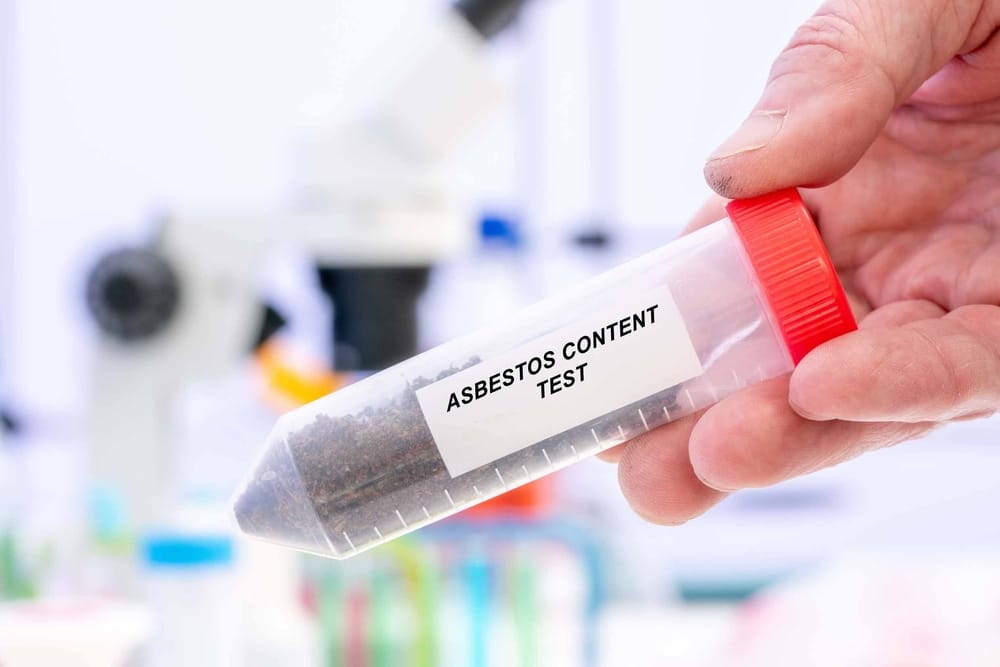

There are a few environmental contaminants that are important to test for in any commercial building, and asbestos is typically at the top of the list. What should you expect before, during and after commercial asbestos testing, and how can you utilize these programs to ensure there are no traces of this harmful substance in your building?
At Aerolite Consulting, we’re here to help with the best asbestos testing services available around Salt Lake City, including commercial asbestos testing for any facility. Here are some basics on what to expect for commercial asbestos testing, including pre-inspection preparations, the inspection process itself, and some important info on reporting procedures and safety precautions taken.
Pre-Inspection Process for Commercial Asbestos Testing
There are a few key areas to consider ahead of a commercial asbestos test:
- Documents: Prior to the inspection, you should gather any relevant documents pertaining to your building or facility, including blueprints, floor plans, and any previous asbestos-related reports.
- Accessibility: Make sure that all areas of the building are accessible for the inspector. This includes locked rooms or storage areas that may need to be opened for inspection purposes.
- Notification: It is important to notify all occupants of the building about the upcoming asbestos test. This will help avoid confusion and ensure everyone’s safety during the inspection process.
- Safety protocols: The building owner or manager should establish safety protocols for the asbestos inspection to protect both the inspectors and occupants. This can include providing protective gear for the inspectors, setting up containment barriers to minimize exposure, and implementing proper disposal methods for any samples taken.
Inspection Process
While the specifics here will vary based on individual meetings and needs, here are some of the general elements included in the commercial asbestos testing process:
- Visual survey: The first step in an asbestos inspection is typically a visual survey of the building. This involves looking for any visible signs of asbestos-containing materials, such as old insulation or ceiling tiles.
- Sampling: If the inspector suspects that there may be asbestos present, samples will be taken for further testing. This can involve taking small pieces of material from various areas throughout the building.
- Laboratory testing: After samples have been taken, they will be sent to a certified laboratory for analysis. This process can take several days to complete.
- Analysis and report: Once the laboratory results are available, the inspector will analyze them and create a detailed report outlining their findings. This report will typically include information on which materials were tested and any potential health hazards found.
- Remediation recommendations: Depending on the results of the testing and analysis, the inspector may make recommendations for remediation or removal of hazardous materials. These recommendations will be included in the final report and should be followed to ensure a safe living or working environment.
Specifics on Reporting Procedures
There are a few specific areas to keep in mind when it comes to commercial asbestos testing reports:
Interpreting Results
For starters, you should have a basic understanding of asbestos testing results. The most common types of asbestos found in commercial buildings are chrysotile, amosite, and crocidolite. Asbestos-containing materials (ACMs) are classified into two categories: friable and non-friable.
Your asbestos testing experts will explain what percentage of asbestos is present in each sample taken from your commercial building. This information will help you determine the severity of the situation and develop a plan for remediation.
Regulatory Compliance
Another important aspect of asbestos testing is ensuring regulatory compliance. The Environmental Protection Agency (EPA) has strict regulations in place for the testing, reporting, and removal of asbestos-containing materials. As a business owner or manager, it is your responsibility to ensure that your building is compliant with these regulations.
Failure to comply with EPA regulations can result in hefty fines and even legal action. It is crucial to work with certified and experienced asbestos testing experts who are knowledgeable about these regulations and can guide you through the necessary steps to achieve compliance.
Risk Level Assessment
As part of the asbestos testing process, a risk level assessment will be conducted to determine the potential health risks associated with any asbestos-containing materials in your building. This assessment takes into account factors such as the age and condition of the materials, their location within the building, and how easily they can be disturbed or damaged.
Based on this assessment, your building will be assigned a risk level which will determine the necessary course of action for compliance. Buildings with higher risk levels may require immediate removal or encapsulation of asbestos-containing materials while those with lower risk levels may only need regular monitoring.
As you can see, there are a few important parts of the commercial asbestos testing process to be aware of if you’re ordering these services for your facility. To learn more here, or to schedule these or any of our other home inspections around SLC, contact our team at Aerolite Consulting today!