
When managing older residential properties, understanding environmental hazards is vital for safety. Many individuals use the terms lead testing and risk assessment interchangeably, but they serve different purposes. Identifying which service fits your specific situation can save you time and money. This guide clarifies the unique roles of each protocol so you can make informed property decisions.
Determining whether you need a simple inventory or an evaluation of active hazards is the first step toward compliance. The certified team at Aerolite Consulting provides expert environmental services across the Salt Lake City area to help you navigate these regulations. If you are preparing for renovations or buying an older home, scheduling professional lead testing with our team is a reliable way to identify hidden dangers. Let us help you protect your investment and maintain a healthy living environment. Here are some basic differences between lead testing vs lead risk assessments, helping you understand the value and proper use of each approach.
Key Takeaways From This Guide
- Understanding Core Differences: Learn how an inventory of lead paint differs from a comprehensive evaluation of active hazards.
- Identifying Appropriate Situations: Discover when specific real estate transactions legally require an inspection.
- Exploring Sampling Methods: Examine the scientific techniques professionals use to detect toxic paint, dust, and soil.
- Implementing Actionable Solutions: Find out how the resulting data guides effective remediation and property maintenance.
Defining Lead Testing
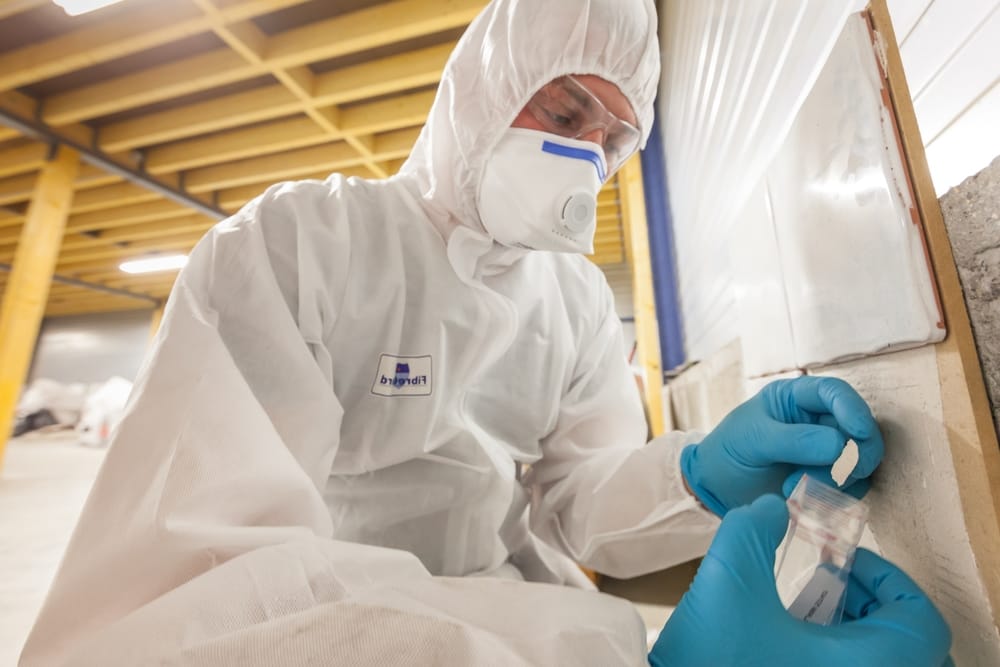
Environmental professionals use specific methods to determine the presence of toxic elements on surfaces within a building. This process is a surface investigation that identifies whether lead paint exists on any structural components. It does not evaluate the paint condition or determine if it poses an immediate health threat. Instead, it provides a clear inventory of all leaded materials throughout the property.
Technicians utilize a variety of specialized tools and laboratory techniques to complete this surface inventory efficiently.
- XRF analyzers: Handheld instruments detect heavy metals beneath paint layers instantly.
- Paint chip sampling: Technicians scrape small paint sections for laboratory analysis.
- Dust sampling: Workers wipe specific surfaces to collect fine particles.
- Soil testing: Subsurface samples check for historical exterior flaking.
- Water testing: Technicians sample plumbing fixtures to identify leaching.
Defining Lead Risk Assessment
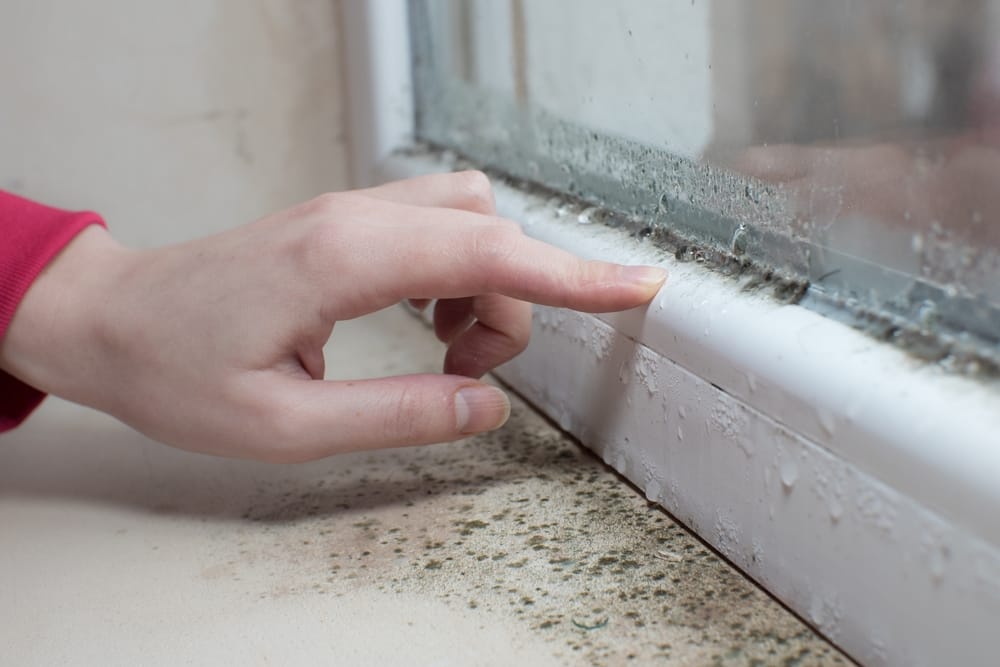
A lead risk assessment goes beyond a simple inventory to evaluate the actual threat of exposure to occupants. This service investigates the condition of the paint and identifies active pathways of contamination. The inspector looks for deteriorating paint, friction wear, and contaminated dust that could cause immediate harm. It results in a detailed report that outlines specific operational controls and management strategies.
Assessors look closely at the interactions between the inhabitants and the structures to identify active dangers.
- Deteriorating paint: Peeling surfaces are identified as hazards because they can be ingested.
- Friction surfaces: Window channels are evaluated because repeated opening grinds paint into dust.
- Impact surfaces: Baseboards are inspected for physical damage that releases toxic debris.
- Chewable surfaces: Low window sills are checked for teeth marks from toddlers.
- Contaminated dust: Accumulated particles in carpets are assessed as pathways for exposure.
When Lead Testing vs Lead Risk Assessment is Required
The choice between a lead testing vs lead risk assessment depends heavily on regulatory mandates and your real estate goals. Homebuyers often request a basic testing service during the standard inspection window to understand property composition. This knowledge helps future homeowners plan maintenance and avoid accidental disturbance of toxic layers.
In contrast, rental property compliance and government housing programs usually demand a full risk evaluation. Property managers must ensure that units are free from active hazards before leasing to tenants. Renovations on older structures also trigger specific regulations that require identifying active dangers prior to construction.
How Results From Both Services Guide Lead Control or Remediation
The data gathered from these inspections provides a clear roadmap for effective property maintenance or environmental abatement. A basic testing report tells you exactly which walls contain hazardous materials so you can avoid disturbing them. This prevents the accidental creation of toxic dust during routine home improvement projects.
When you receive a risk evaluation report, it includes a specific plan for immediate hazard control. This document outlines whether you need temporary measures like specialized painting or permanent solutions like removal. Following these professional recommendations ensures the property returns to a verified safe condition.
Importance of Professional Evaluation
Attempting to identify environmental hazards without certified equipment and training can lead to dangerous exposure and regulatory penalties. Certified inspectors possess the expertise required for ensuring compliance with safety regulations established by federal and local authorities. Trusting a certified professional guarantees that the sampling is accurate and legally defensible.
Making the right decision regarding a lead testing vs lead risk assessment is essential for safeguarding your investments and community health. The specialists at Aerolite Consulting offer reliable, comprehensive inspections tailored to the unique regulatory landscape of Salt Lake City. Contact our team today to schedule an evaluation and secure a healthy environment for your property.