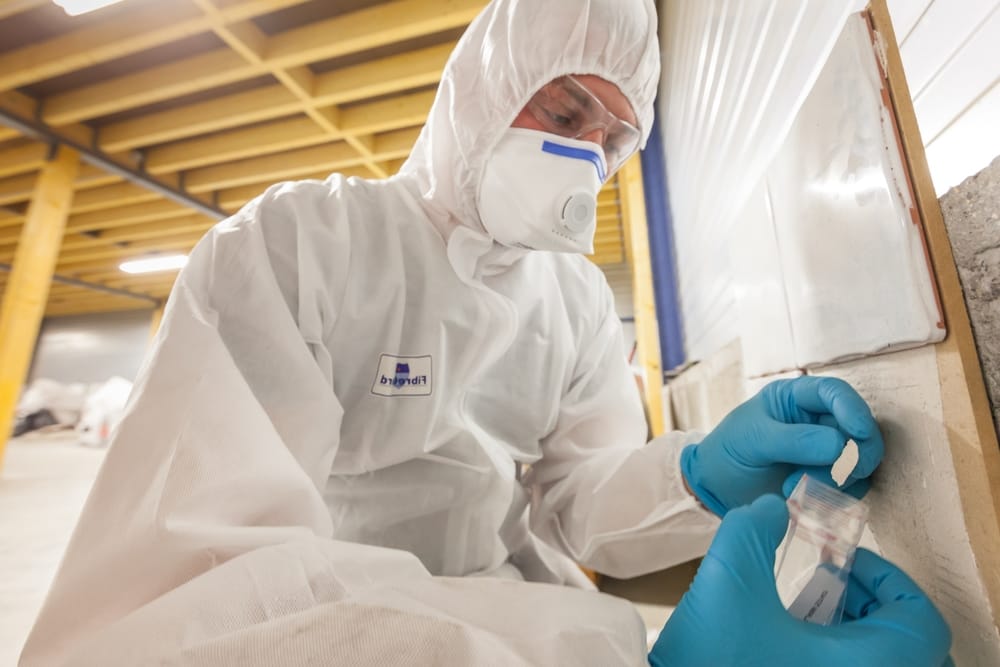
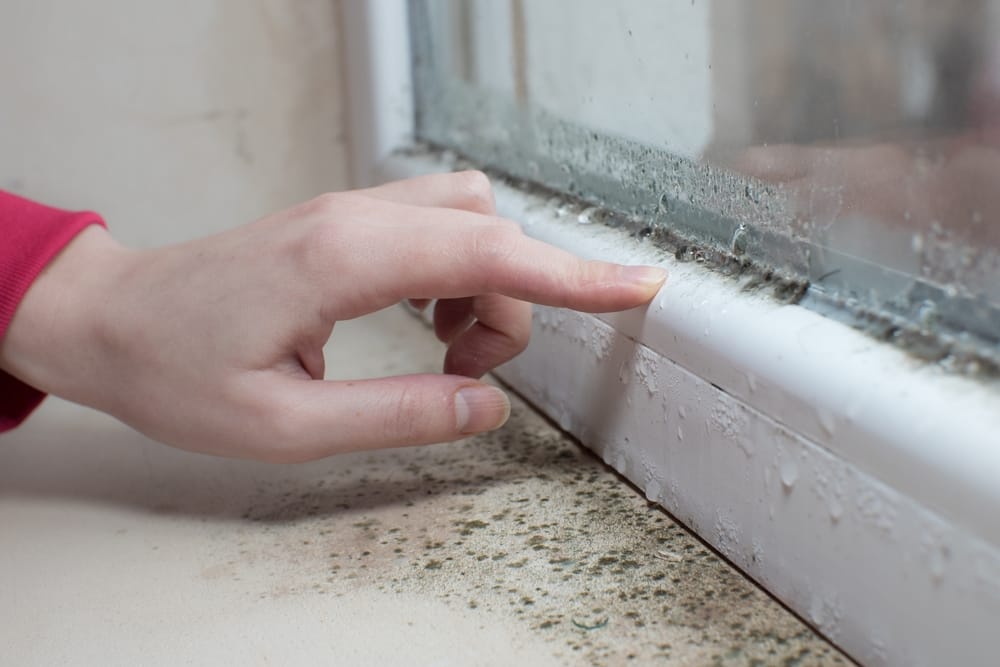
A few kinds of environmental contaminants often found in homes or buildings can sometimes give off subtler signs that are tougher to detect, and mold is a good example. What are some hidden or less obvious signs that you might require mold testing?
At Aerolite Consulting, we’re proud to offer the best mold testing services available around Salt Lake City and nearby areas, with professionals who are very familiar with common mold testing signs and indicators. Here are some examples of less obvious such signs that might showcase a need to test for mold, plus why these tests are important and some related tips.
Common But Overlooked Symptoms of Mold Presence in Homes
Here are some examples of less obvious signs that might showcase a need to test for mold, plus why these tests are important and some related tips.
- Musty Odor: This is one of the most common yet overlooked signs of mold presence in homes. A musty odor can be described as a damp or earthy smell, often similar to wet leaves or rotten wood. This type of odor is typically associated with the growth of mold and should not be ignored, especially if it persists even after thorough cleaning.
- Water Stains: While water stains in a home can be a result of a few different issues, one common cause is mold growth. If you notice water stains on your walls or ceilings, especially in areas where there may be moisture present, it’s important to inspect for mold.
- Discoloration: If you notice any discoloration on your walls or ceilings, it could be a sign of mold growth. Mold can appear in a variety of colors including black, brown, green, or white. If you see any unusual discoloration in your home, it’s important to have it inspected for mold.
- Peeling Paint: Another sign of mold growth in your home is peeling paint. As mold grows, it can cause the paint to bubble and peel, especially in areas where there may be moisture present. If you notice any peeling paint on your walls or ceilings, it’s important to have it checked for mold.
Health-Related Signs of Mold Presence
In addition to the indicators we went over above, a few health-related signs may also point to a need for mold testing:
Unexplained Allergies
If you or anyone in your household have been experiencing unexplained allergy symptoms such as sneezing, runny nose, itchy eyes or throat, and coughing, it may be a sign of mold presence. Some types of mold can cause allergic reactions in humans, making this an important factor to consider when determining if testing is necessary.
Respiratory Issues
Similarly, respiratory issues such as difficulty breathing, asthma flare-ups, chest tightness or pain, and wheezing can also be caused by exposure to mold. These symptoms should not be ignored and may require medical attention.
Sinus Infections
Frequent sinus infections can also be a red flag for mold growth in your home. If you find yourself constantly battling sinus infections despite trying various treatments, it may be worth checking for mold in your living space.
Skin Irritation
In other cases, mold exposure may cause skin irritation such as rashes, hives, or itching. This is especially common for individuals with allergies or sensitive skin. If you notice unexplained skin irritation that persists despite using different skincare products, it’s worth considering if mold could be the culprit.
Importance of Structural Inspection
If you suspect the presence of mold in a home or building, a structural inspection may also help you spot a few other potential indicators to confirm it:
- Hidden leaks: Mold thrives in damp or humid environments, making it more likely to grow in areas with hidden leaks or water damage. A structural inspection can help identify these problem areas.
- Poor ventilation: Inadequate air circulation can also contribute to mold growth. A thorough structural inspection can point out any potential issues with ventilation and suggest solutions.
- Cracks or gaps: These small openings in walls, floors, or ceilings can provide a perfect breeding ground for mold colonies. A structural inspection may help detect such imperfections that could be contributing to mold growth.
- Damp basements: Basements are especially prone to mold growth as they are often dark and damp. A structural inspection can identify any potential sources of moisture in the basement, such as cracks in the foundation or leaking pipes.
At Aerolite Consulting, we’re here to offer the best comprehensive mold testing services available around Salt Lake City and nearby areas. Contact us today to learn more about mold testing signs, or to schedule service!