Many properties built before the late 1980s contain hidden materials that pose significant health risks if they are improperly handled. Asbestos was once a staple in construction due to its durability and fire resistance, but its microscopic fibers are now known to cause severe respiratory illnesses. For property owners in Utah, identifying these hazards before beginning any demolition or repair work is a critical safety requirement.
Understanding the status of your building materials is the first step toward maintaining a healthy environment for residents or employees. If you are planning a renovation or finalizing a real estate transaction, professional asbestos testing ensures that no dangerous fibers are released into the air. Contact Aerolite Consulting in Salt Lake City today to schedule a comprehensive evaluation and protect your investment, and read on to learn more about vital checklist items for homeowners and property owners during asbestos inspections or tests.
Why Asbestos Inspections Are Vital in Older Homes or Buildings
The primary danger of asbestos lies in its friability, which refers to the material’s tendency to crumble and release dust. When these toxic fibers are inhaled, they can become permanently lodged in lung tissue, leading to life-threatening conditions like mesothelioma, lung cancer, and asbestosis. Because symptoms often take decades to appear, the risk is frequently underestimated until significant damage has already occurred.
For property managers, failing to conduct a proper asbestos inspection checklist can lead to massive legal liabilities and project delays. Regulatory agencies require specific protocols for handling hazardous materials to prevent public exposure. An inspection provides the documented proof needed to proceed with construction safely. Homeowners also benefit from this clarity, as it prevents accidental exposure during DIY projects or minor repairs.
Where Asbestos May Be Found
Asbestos was integrated into thousands of different building products, making it nearly impossible to identify by sight alone. It was valued for its ability to insulate and strengthen various components of a structure. The following list outlines the most common areas where these materials are typically discovered during an asbestos inspection checklist.
- Insulation: Blown-in vermiculite or batt insulation in attics and walls often contains high concentrations of asbestos fibers.
- Floor tiles: Vinyl floor tiles and the thick mastic adhesives used to secure them were frequently manufactured with asbestos.
- Ceiling materials: Popcorn textures and acoustic ceiling tiles used throughout the mid-20th century are common sources of contamination.
- Roofing: Shingles and roofing felt were reinforced with asbestos to provide superior weatherproofing and fire resistance.
- Pipes: Thermal paper wraps and cement pipes used in older plumbing systems often contain hazardous insulating layers.
- Siding: Exterior cement siding shingles were designed to be fireproof but contain tightly bound asbestos fibers.
Checklist for Homeowners or Property Managers Ahead of Renovations or Purchases
Preparation is key when dealing with older structures that may harbor hazardous materials. Before any tools hit the walls or any contracts are signed, you must have a clear plan for environmental safety. Following a standardized asbestos inspection checklist helps ensure that every potential risk is accounted for during the transition:
- Age verification: Determine the original construction date and the dates of any subsequent renovations to assess the likelihood of asbestos use.
- Material inventory: Create a detailed list of all surfaces and materials that will be disturbed during the upcoming project.
- Professional consultation: Reach out to a certified firm to perform asbestos testing before any demolition begins.
- Occupant notification: Inform tenants or residents of the inspection schedule and the safety measures being put in place.
- Documentation review: Keep all laboratory results and inspection reports in a permanent file for future insurance or sale purposes.
Signs of Possible Asbestos-Containing Materials
While only laboratory analysis can provide a definitive answer, there are certain physical indicators that suggest a high risk. Older materials that are deteriorating or showing signs of wear are the most concerning. Using an asbestos inspection checklist allows you to prioritize areas that appear damaged or unstable.
- Frayed pipe wrap: Insulation that is peeling or turning to powder around plumbing fixtures is a major red flag for fiber release.
- Brittle floor tiles: Tiles that crack easily or have dark, thick glue underneath often indicate older, hazardous manufacturing methods.
- Crumbling textures: Ceiling textures that shed dust when touched or vibrated are likely to contain friable asbestos.
- Water damage: Material that has been softened by leaks is more likely to break down and release dangerous particles into the air.
Why Asbestos Should Never Be Disturbed Without Professional Evaluation
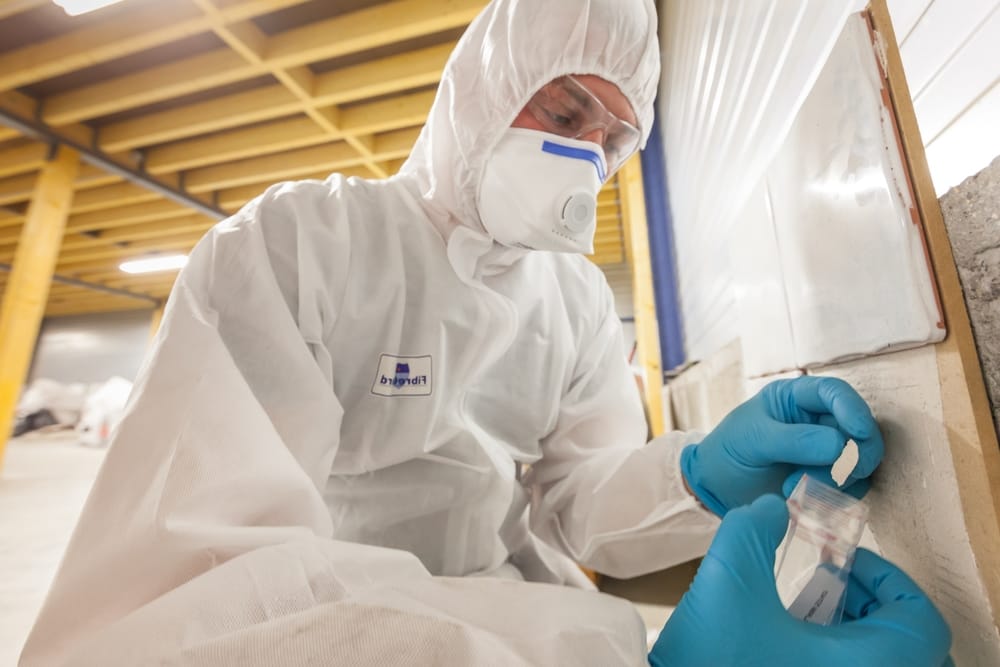
Attempting to remove or even sample suspected materials yourself can create a much larger problem than the one you are trying to solve. When you disturb asbestos, you create an invisible cloud of fibers that can linger in a room for days. Professional contractors use specialized vacuums and containment zones to ensure these fibers do not migrate to other parts of the building.
If you suspect your property contains hazardous materials, the first step is to isolate the area and restrict access. Do not sweep, vacuum, or dusted the suspected material, as this only spreads the contamination. Your next move should be to hire a licensed team for asbestos testing to confirm the presence and concentration of the mineral.
Aerolite Consulting provides the expert oversight needed for safe property management in Salt Lake City. Contact us today for our asbestos inspections or related services!